
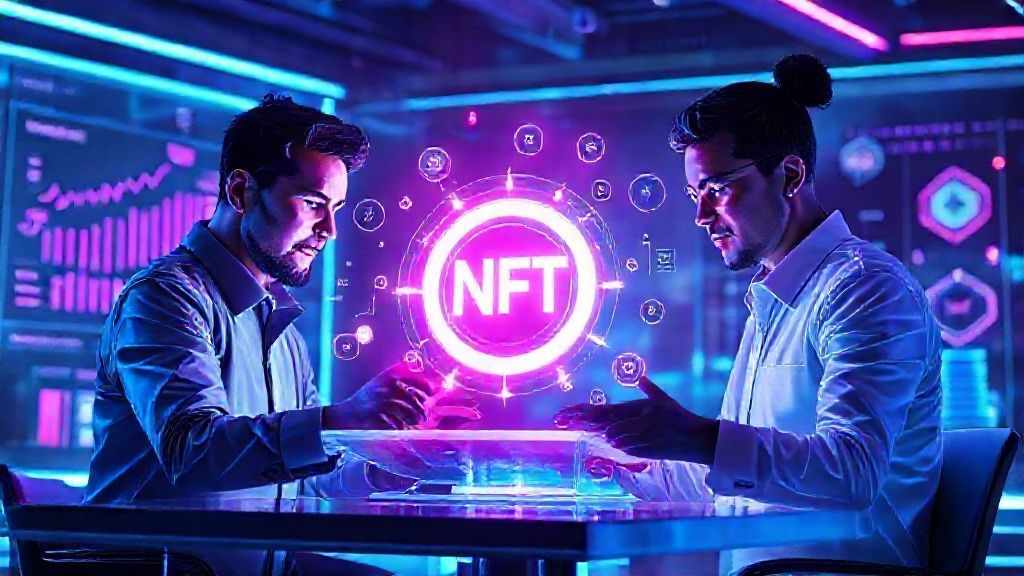
In the fast-paced world of startups, standing out from the crowd is essential for survival. Traditional marketing methods are no longer sufficient to capture the attention of modern consumers, who crave novelty, exclusivity, and digital engagement. One of the most disruptive innovations in the digital marketing space today is NFT marketing. Non-Fungible Tokens (NFTs) are transforming the way startups interact with their audience, build brand loyalty, and create new revenue streams.
In this blog post, we will explore how startups can leverage NFT marketing for growth, the strategies involved, and how partnering with professional NFT marketing services or an NFT marketing agency can provide startups with the edge they need to succeed.
Understanding NFT Marketing
NFT marketing is a modern approach that involves promoting products, services, or brands using non-fungible tokens. Unlike traditional digital assets, NFTs are unique and cannot be duplicated, offering a sense of ownership and exclusivity to users. This uniqueness allows brands to create one-of-a-kind experiences for their audience, which is particularly appealing to tech-savvy and younger demographics.
NFT marketing is not just about selling digital collectibles; it is a strategic tool to engage communities, incentivize participation, and drive brand awareness. For startups, this can translate into faster market penetration and enhanced customer loyalty.
Why Startups Should Consider NFT Marketing
Startups often face the challenge of limited resources, both in terms of finances and brand recognition. NFT marketing offers several advantages that can help overcome these hurdles:
Creating Brand Differentiation: NFTs allow startups to differentiate themselves in crowded markets. Unique NFT campaigns can generate buzz and position a startup as innovative and forward-thinking.
Building a Community: Community engagement is critical for startups. NFTs can be used as rewards for loyal customers, early adopters, or brand advocates, fostering a sense of belonging and active participation.
Generating Revenue: Beyond marketing, NFTs can directly contribute to revenue streams. By creating limited edition digital assets or experiences, startups can monetize their brand in novel ways.
Driving Engagement: NFT campaigns are interactive by nature. Startups can use them to run contests, giveaways, or gamified experiences that keep the audience invested in the brand.
How Startups Can Implement NFT Marketing
To leverage NFT marketing effectively, startups must develop a strategic approach. Here are key steps and strategies for startups looking to integrate NFTs into their marketing efforts:
1. Define Clear Objectives
Before launching an NFT marketing campaign, startups should define their objectives. Are you aiming to increase brand awareness, build a loyal community, or generate direct sales? Clear goals will guide the type of NFT campaign you create and the metrics used to measure success.
2. Identify the Target Audience
NFT marketing resonates most with digitally engaged consumers who are familiar with blockchain technology. Startups should conduct audience research to understand who their potential NFT buyers are and what kind of digital experiences they value. Tailoring NFTs to the preferences of your audience is critical for maximizing engagement.
3. Partner with an NFT Marketing Agency
For startups new to the NFT space, partnering with an NFT marketing agency can be invaluable. These agencies specialize in designing, launching, and promoting NFT campaigns. They have the expertise to navigate blockchain technology, identify the best NFT marketplaces, and execute marketing strategies that align with the startup’s objectives.
4. Choose the Right NFT Type
NFTs can take many forms, including digital art, music, videos, virtual merchandise, and even tokenized experiences. Startups should select the type that aligns best with their brand identity and resonates with their audience. For example, a fashion startup might create NFT-based digital apparel, while a tech startup could offer limited-edition virtual collectibles.
5. Develop Exclusive and Scarce Digital Assets
Exclusivity drives demand in NFT marketing. Startups should focus on creating NFTs that are scarce and provide real value to the holders. This could be early access to products, VIP memberships, or collectible digital items. Scarcity enhances perceived value and motivates audiences to engage with the brand.
6. Utilize NFT Marketing Solutions for Promotion
There are specialized NFT marketing solutions that startups can leverage to amplify their campaigns. These solutions may include social media promotion, influencer partnerships, email marketing campaigns, and NFT marketplace optimization. Using comprehensive NFT marketing solutions ensures the campaign reaches the right audience and maximizes ROI.
7. Engage the Community
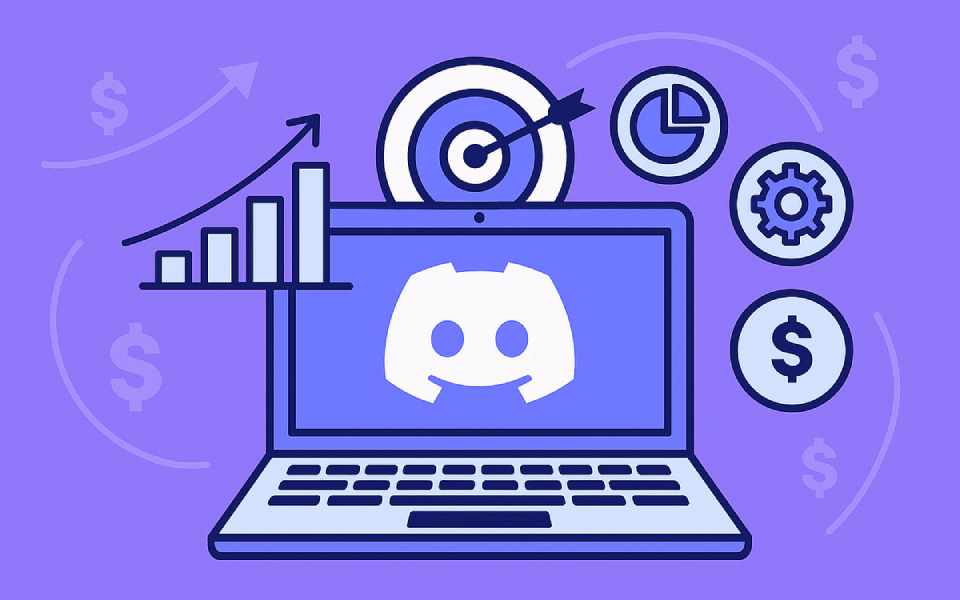
NFT marketing is not just about transactions; it’s about building relationships. Startups should actively engage their community through social media, Discord servers, Telegram groups, and other platforms. Hosting virtual events, AMAs (Ask Me Anything), and collaborative activities can enhance engagement and loyalty.
8. Integrate Gamification
Gamification adds an element of fun and excitement to NFT campaigns. Startups can create challenges, quests, or competitions where users earn NFT rewards. This approach not only increases engagement but also encourages users to share their experiences, creating organic marketing momentum.
9. Educate the Audience
Since NFTs are relatively new to mainstream audiences, educating users about how to acquire, store, and utilize NFTs is critical. Startups can produce tutorials, guides, and explainer videos as part of their NFT marketing solutions. A well-informed audience is more likely to participate and advocate for the brand.
10. Monitor and Analyze Performance
As with any marketing strategy, measuring success is key. Startups should track metrics such as NFT sales, community growth, social media engagement, website traffic, and brand mentions. Continuous monitoring allows for optimization and ensures the NFT marketing campaign aligns with business objectives.
Examples of Successful NFT Marketing by Startups
Several startups have successfully leveraged NFT marketing to drive growth and create a strong brand presence:
Digital Art Platforms: Startups focusing on digital art have used NFTs to sell limited edition artwork. By creating scarcity and exclusivity, these startups generate significant buzz and attract art enthusiasts worldwide.
Fashion and Apparel Brands: Some fashion startups are releasing digital versions of their clothing lines as NFTs. Customers gain early access to products, virtual wearables for avatars, or exclusive VIP experiences, strengthening brand loyalty.
Gaming Startups: Gaming companies often use NFTs to create unique in-game assets. Players can buy, sell, or trade these items, enhancing engagement and creating additional revenue streams.
Music Startups: Emerging music startups use NFTs to offer exclusive tracks, backstage passes, or VIP concert experiences. Fans feel a personal connection to the artist, driving long-term loyalty.
These examples demonstrate that NFT marketing is not limited to any specific industry; startups from various sectors can harness the power of NFTs to grow their brand.
Working with an NFT Marketing Agency
For startups without in-house expertise, hiring an NFT marketing agency can be a game-changer. An NFT marketing agency brings several advantages:
Expertise: They understand blockchain technology, NFT marketplaces, and digital trends.
Campaign Strategy: Agencies can design NFT marketing solutions tailored to startup goals, ensuring maximum impact.
Creative Execution: From NFT design to community engagement, agencies handle the creative and technical aspects.
Promotion and PR: Agencies have the network and tools to amplify NFT campaigns through social media, influencers, and media coverage.
By outsourcing to an NFT marketing agency, startups can focus on their core business operations while ensuring their NFT campaigns are executed professionally and effectively.
Common Mistakes Startups Should Avoid in NFT Marketing
While NFT marketing offers significant opportunities, startups must avoid common pitfalls to ensure success:
Ignoring Audience Education: NFTs can be confusing for newcomers. Without proper guidance, potential buyers may shy away from participating.
Overemphasizing Hype: While buzz is important, campaigns must provide real value. Overhyping without delivering can harm brand credibility.
Neglecting Community Engagement: NFTs thrive on community. Failing to build and maintain active communities can limit campaign success.
Skipping Professional Help: DIY NFT campaigns may lack strategy and technical expertise. Leveraging NFT marketing services can prevent costly mistakes.
Poor Timing: Launching an NFT campaign without market research or at the wrong time can reduce engagement and sales. Strategic planning is key.
The Future of NFT Marketing for Startups
NFT marketing is still evolving, and startups that adopt this strategy early have the potential to gain a competitive advantage. As blockchain technology becomes more mainstream, the possibilities for NFT marketing will expand, offering new ways to engage audiences, monetize digital assets, and create innovative brand experiences.
Startups can expect NFT marketing to increasingly integrate with virtual reality (VR), augmented reality (AR), and the metaverse. This integration will allow for immersive brand experiences, interactive digital products, and enhanced consumer engagement. Those who invest in NFT marketing solutions now will be well-positioned to thrive in the digital economy of the future.
Conclusion
NFT marketing presents an exciting opportunity for startups to grow, engage audiences, and differentiate their brand in an increasingly digital marketplace. By leveraging NFT marketing services, partnering with an NFT marketing agency, and implementing effective NFT marketing solutions, startups can unlock new avenues for revenue, community building, and brand loyalty.
From creating exclusive digital assets to integrating gamification and community engagement, the strategies outlined in this blog provide a roadmap for startups to successfully navigate the NFT space.
The key takeaway is that NFT marketing is more than a trend; it is a transformative tool that can propel startups to new heights. By embracing innovation, understanding the target audience, and strategically deploying NFTs, startups can create meaningful connections with their customers and drive long-term growth.
Whether you are a tech startup, a fashion brand, a gaming company, or a music platform, NFT marketing can help you stand out, engage your audience, and thrive in the digital era. The time to explore NFT marketing solutions is now—your startup’s growth and success may depend on it.











Write a comment ...